

Key Takeaway
A mini tripod works well for tabletop shooting, travel, low angles, and quick setups. A full-size tripod makes more sense for eye-level shots, larger camera gear, and outdoor shooting. If you need flexible mounting without carrying a large tripod, a compact or flexible model can sit between the two.
A tripod does not need to be large to be useful. The right size depends on your camera, shooting height, location, and how often you carry your gear.
A mini tripod can handle plenty of everyday shooting. It can sit on a desk, fit into a small camera bag, and make phone or camera setups quick. A full-size tripod offers a much wider range of heights and gives you more freedom when you shoot from the floor or stand in front of the camera.
The better choice depends on the shots you actually take. If most of your content starts at a desk, a large tripod may add more bulk than value. If you often shoot standing portraits or landscapes, a mini model can quickly feel too limited.
Mini Tripod vs Full-Size Tripod: What Is the Difference?
The basic difference comes down to working height and portability. From there, your camera, shooting location, and setup style determine which format makes more sense.
What Is a Mini Tripod?

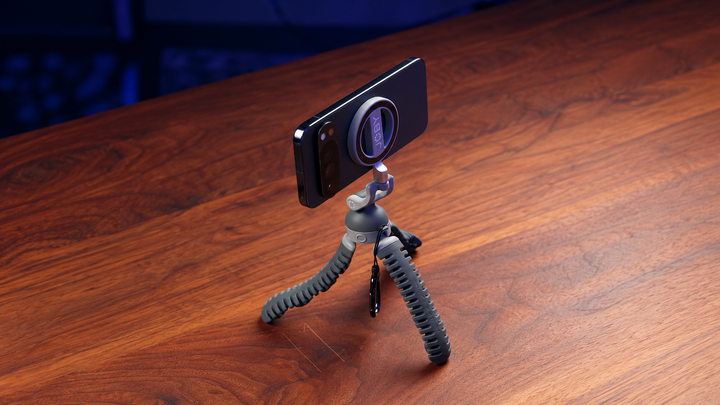
A mini tripod has short legs and a compact body designed for tabletop, desktop, low-angle, and close-to-ground shooting. You place it on a stable surface instead of using the tripod itself to create a full standing-height setup.
A mini tabletop tripod can work well for:
- Desk videos
- Video calls
- Product demonstrations
- Food photography
- Phone photography
- Small camera setups
- Low-angle shots
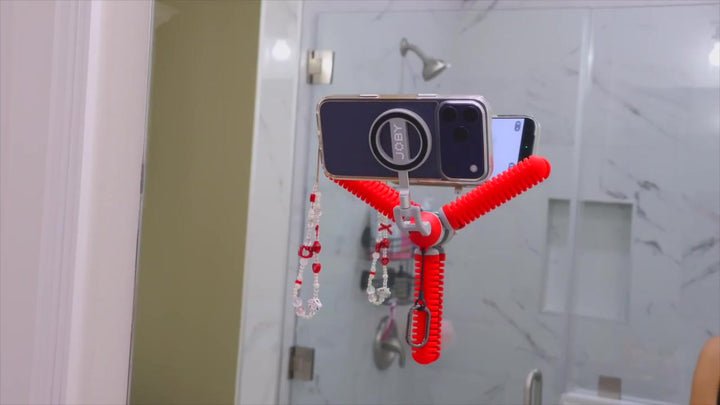
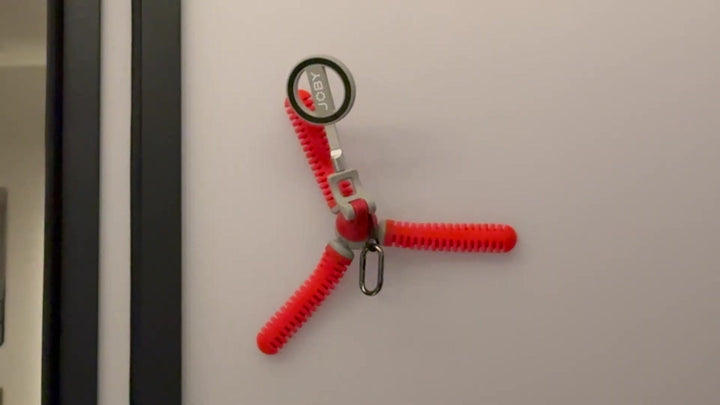
Some models also use flexible legs, giving you more placement options than a standard tabletop design. A mini flexible tripod can wrap around suitable supports or adjust to uneven surfaces.
The key limitation is height. If your camera needs to sit near eye level while you stand, a mini tripod may not give you enough reach.
What Is a Full-Size Tripod?

A full-size tripod is built to raise your camera much higher, often close to standing or eye level. Its longer legs also give you more control over camera placement across different outdoor and indoor locations.
A full-size model can be useful for:
- Full-body portraits
- Group photos
- Standing videos
- Landscape photography
- Night photography
- Long exposures
- Larger cameras and lenses
It usually takes more space in a bag and needs more time to set up. That extra size can still be worthwhile if height and positioning matter more than portability.
The Biggest Difference Is Shooting Height
Height often decides the choice faster than any other feature. Think about where your camera needs to sit for your most common shots, then choose the tripod that can reach that position.
Mini Tripods Work Best When the Surface Provides the Height
A mini tripod works well when you already have something stable to place it on. A desk, table, counter, shelf, bench, or other solid surface can provide the height that the tripod itself lacks.
For example, someone filming a seated tutorial can place a tabletop tripod for camera use on a desk and frame the shot without needing a tall tripod. The same setup can work for product demonstrations, cooking videos, and video calls.
This also makes a mini tripod useful in small rooms. You do not need to spread long tripod legs across the floor, and you can move the setup quickly when you need more desk space.
Full-Size Tripods Give You Independent Camera Height
A full-size tripod does not depend on a table or shelf. You can place it on the floor and adjust the legs to put the camera at the height you need. That makes a major difference for standing videos, full-body portraits, family photos, and many outdoor shots.
It also gives you more freedom to change your composition. You can lower the camera for a different perspective, raise it for a wider view, or adjust the position without searching for a suitable surface.
Mini Tripod vs Full-Size Tripod: Side-by-Side Comparison
The size difference affects more than storage. Each type changes how quickly you can set up, where you can shoot, and what equipment you can comfortably use.
| Factor | Mini Tripod | Full-Size Tripod |
| Working height | Low | High |
| Portability | Excellent | Moderate |
| Setup | Usually quick | Usually takes longer |
| Tabletop shooting | Excellent | Often unnecessary |
| Standing shots | Limited | Excellent |
| Low-angle shots | Excellent | Good |
| Larger camera setups | More limited | Better suited |
| Travel | Very convenient | Depends on size |
| Floor space | Minimal | More |
| Flexible mounting | Available on some models | Less common |
Size does not tell the whole story. A small flexible tripod can provide mounting options that a traditional tripod cannot. Flexible legs can help when you need to attach a camera to a secure rail, branch, or other suitable support.
For example, JOBY's GorillaPod® 1K Gen 2 Tripod combines flexible legs with a 1 kg load capacity and tabletop, handheld, and wrap-around use, giving creators more options than a basic tabletop tripod.
When Is a Mini Tripod the Better Choice?
A mini tripod makes sense when carrying less gear and setting up quickly matter more than reaching standing height. It can also be a better fit for small spaces and everyday shooting.
You Mostly Shoot at a Desk or Table
If your camera stays near a desk, a mini tripod can provide all the support you need.
It works especially well for:
- Desk videos
- Online meetings
- Tutorials
- Product shots
- Food photography
- Livestreams
- Seated talking-head videos
A small tabletop setup also keeps your workspace clear. You can move the tripod aside instead of dealing with long legs on the floor.
You Prioritize Portability
A small tripod is much easier to carry throughout the day. Some compact designs can fit into a small camera bag, backpack pocket, or even a pocket.
A pocket tripod can make sense for people who want basic support available at any time. You may not need a large tripod for every photo, but having a small one with you can help when you want a stable shot away from home.
Portability matters most for travelers, casual creators, and people who shoot in several locations during the same day.
You Shoot From Low Angles
A mini tripod can make it easier to position your camera close to the ground or tabletop. Product photography, pet photos, food shots, and creative video angles can benefit from a camera placed close to the ground or tabletop. A mini tripod also makes low-angle setup quick. You do not need to lower several long tripod legs just to get the camera close to the floor.
When Do You Really Need a Full-Size Tripod?
A full-size tripod becomes more useful when your shooting position changes often or your equipment needs stronger support. Height is usually the biggest reason to step up from a mini model.
You Need Eye-Level or Standing-Height Shots
Standing videos and full-body portraits are difficult with a basic mini tripod unless you can find a suitable raised surface.
A full-size tripod solves that problem directly. Place it on the floor, adjust the legs, frame the shot, and keep the camera at a useful height.
This also helps with group photos. You can step away from the camera without trying to balance it on furniture or another raised object.
You Use Heavier Camera Gear
A mini tripod for camera use needs to match the full weight of your setup. That includes the camera body, lens, microphone, light, cage, and other accessories.
Do not choose based only on the camera body's weight. A compact camera tripod can work very well with a lightweight setup, but a larger camera and long lens can place more demand on the tripod. Check the manufacturer's load rating and keep the complete setup within that limit.
The position of the equipment matters too. A long lens can shift the center of gravity even if the total weight does not seem especially high.
You Shoot Outdoors and Need More Positioning Freedom
Outdoor locations rarely give you a perfect table at the right height. A full-size tripod lets you create your own camera position. This helps with landscapes, outdoor portraits, night shots, and long exposures. It also gives you more control when the ground is uneven. Keep the tripod as low as practical in windy conditions. Raising the center column can make the camera more sensitive to movement, especially with larger gear.
What About Flexible and Compact Tripods?
Not every shooter needs to choose between a tiny tabletop model and a large tripod. Flexible and compact designs can cover the space between those two options.
A Flexible Tripod Adds Mounting Options
A flexible camera tripod can be useful when a flat surface is not available. Its legs can bend around suitable supports, giving you more ways to position your camera.
This can help with:
- Railings
- Branches
- Fences
- Poles
- Uneven surfaces
- Tight spaces
A small flexible tripod also works well as a tabletop stand when you do have a flat surface. That gives it two useful roles instead of limiting it to a single setup.
A Compact Tripod Can Bridge the Gap
A compact tripod can make sense if a mini model feels too short but a full-size tripod feels excessive.
This type of tripod can offer more working height and camera support while keeping the folded size manageable. It can be a practical option for creators, travel photographers, and camera users who need more flexibility without carrying a large setup.
Think of it as a middle ground rather than a compromise that fails at both jobs.
Which Tripod Is Right for Your Shooting Style?
Your regular shooting habits provide the clearest answer. Look at your camera, location, height needs, and carrying habits together instead of focusing on size alone.
Choose a Mini Tripod If You…
- Mostly shoot with a phone or compact camera
- Film at a desk or tabletop
- Travel light
- Want fast setup
- Take low-angle photos or videos
- Need something small enough to carry every day
- Rarely need standing-height shots
Choose a Full-Size Tripod If You…
- Need eye-level or standing-height shots
- Shoot full-body portraits
- Take group photos
- Use heavier camera equipment
- Shoot landscapes or long exposures
- Work outdoors often
- Need more freedom over camera placement
Consider a Flexible or Compact Tripod If You…
- Want more mounting options
- Shoot in places without flat surfaces
- Need more versatility than a basic tabletop tripod
- Want something smaller than a traditional full-size model
- Move between indoor and outdoor shooting often
Do You Need Both?
Mini and full-size tripods can serve different jobs, so owning both can make sense for people with varied shooting habits. It is not a requirement for everyone.
A full-size tripod can stay ready for planned photography or standing video. A mini model can live in your everyday bag for quick shots, travel, desk work, or low-angle setups.
Some compact tripods also work with larger support systems. For example, a 1/4-inch thread can let a small tripod connect to another tripod or accessory system, giving you more flexibility as your setup changes.
How to Choose the Right Tripod Beyond Size
Tripod size is only the starting point. A few practical checks can help you avoid buying a model that looks suitable but does not fit your actual equipment or shooting habits.
Check the Total Camera Load
Add the weight of your camera, lens, microphone, light, cage, and other attached gear. Compare that total with the tripod's stated load capacity. Give yourself some room rather than choosing a model that sits right at its limit.
Check the Working Height You Actually Need
Do you need the camera six inches above a desk, or six feet above the floor? The answer can narrow your choice very quickly. Also look at the minimum height. A full-size tripod that can only shoot from a high position may not suit low-angle work.
Consider Where You Usually Shoot
A desk creator may get more value from a mini tabletop tripod. A landscape photographer may need a full-size tripod. A traveler who shoots in many different places may prefer a compact or flexible design.
Think About How Often You Will Carry It
If you carry your camera or phone every day, a lightweight tripod may get more use simply because it is easy to bring along. A larger tripod earns its place when its extra height and support solve problems that a small model cannot.
Choose the Right Tripod for Your Shooting Style
The best tripod is the one that fits your usual shots. Pick a mini tripod for desk videos, travel, and low angles. Choose a full-size tripod for standing shots, larger cameras, and more camera height. A flexible or compact tripod can fill the gap when you want both portability and more placement options.
FAQs
Q1: Is a Mini Tripod Good Enough for a Camera?
It can be, especially with a compact camera or lightweight setup. Check the tripod's load rating and consider the camera, lens, and accessories together. A mini model works best when you do not need standing height.
Q2: Can a Mini Tripod Replace a Full-Size Tripod?
For tabletop shooting, travel, low angles, and lightweight gear, yes. It cannot fully replace a full-size model if you regularly need eye-level shots, full-body framing, or support for heavier equipment.
Q3: Are Flexible Tripods Better Than Regular Mini Tripods?
Neither type is better for every situation. Flexible tripods give you more options for wrapping around suitable supports and handling uneven locations. A standard tabletop tripod can be simpler for desk and indoor shooting.
Q4: Is a Full-Size Tripod Better for Travel?
Not automatically. A full-size tripod gives you more height and camera positioning options, but it also takes more room and adds weight. If you need a balance between portability and height, a compact or travel tripod may be a better fit.