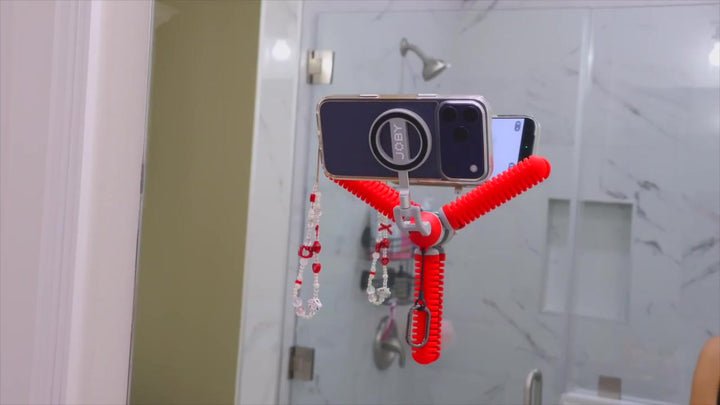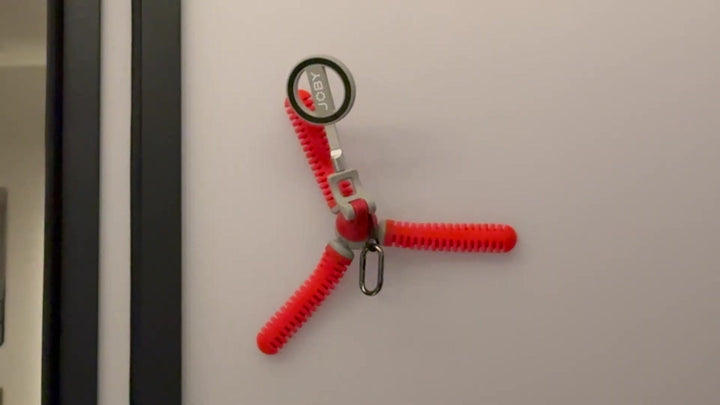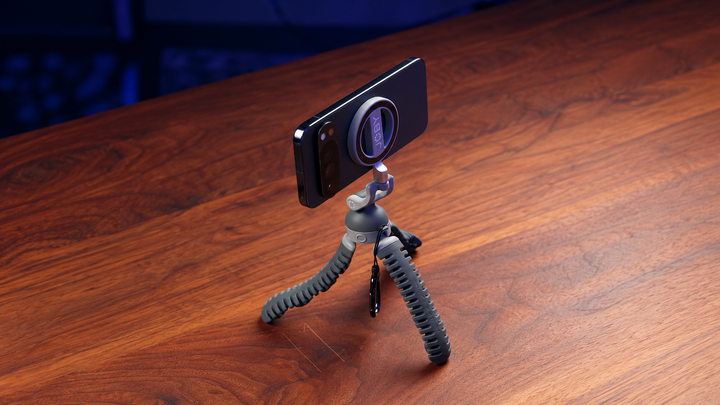


Key Takeaways
- A flexible tripod uses bendable legs to grip trees, poles, or uneven ground.
- Flexible legs give creators massive freedom for unique camera angles that traditional stands cannot handle.
- Compact designs make them great for travel, hiking, and daily vlogging on the move.
- Always check weight limits before mounting heavy DSLR or mirrorless setups on flexible legs.
- Using a flexible tripod for phone and camera setups allows fast changes between handheld and static shots.
Capturing steady footage on location, along hiking trails, or during solo street shoots often pushes standard gear past its limits. Traditional camera stands work fine on level studio floors, but real-world shooting environments rarely offer flat ground. That is where a flexible tripod comes in—giving you a bendable, adaptable mount that turns almost any surface or object into a stable camera platform.
What Is a Flexible Tripod?

Unlike rigid three-legged mounts, a flexible camera tripod is built for maximum movement and adaptiveness. It features legs composed of dynamic joints or pliable materials that bend, twist, and grip almost anything.
A flexible camera tripod relies on dynamic legs that bend into endless positions. Instead of static metal tubes, these legs consist of rubberized ball joints or flexible memory cores. This unique structure allows you to place your setup on flat desks, twist the legs around tree branches, or hook the mount onto metal fences. Like any tripod, it provides camera support and stability while giving you more options for securing your gear on uneven or irregular surfaces.
While a classic stand relies entirely on flat, level ground to stay upright, a flexible tripod legs system thrives on friction and balance. You can wrap the legs around a street sign or press them against jagged rocks.
The original concept gained massive fame through flexible leg designs that transformed how vloggers capture video. Today, these mounts form an essential part of modern content creation setups, giving creators complete freedom over their framing.
How Does a Flexible Tripod Work?
A flexible tripod relies on simple physics and clever mechanical components to keep your camera stable. Each part plays a specific role when securing your gear off the ground.
Flexible or Ball-Jointed Legs
The core feature of any flexible tripod for camera gear is its segmented leg construction. Dozens of individual joints bend relative to one another. This design allows the structure to curve around curved objects or conform to sharp angles without snapping.
Rubberized or Non-Slip Feet
Grip is critical when mounting gear above the ground. The base of each leg features high-traction rubber rings or feet. These rubber elements prevent sliding on slick metal pipes, wet tree bark, or smooth plastic rails.
Adjustable Leg Positions
You can pull the legs wide apart to create a low-profile base on flat ground. Alternatively, you can bunch them together to form a solid handgrip for mobile recording. The legs hold their shape once you bend them into position.
Ball Head for Framing
Most models come equipped with a small top ball head. While the legs handle the mounting surface, the ball head rotates 360 degrees. This lets you level your frame instantly without adjusting the legs every single time.
Standard Camera Mounting Thread
A standard 1/4-inch screw sits at the top platform. This universal fitting works with standard mirrorless bodies, action cameras, phone adapters, and compact video setups. Combining these components creates absolute stability on surfaces where standard three-legged gear would tip over immediately.
Why Flexible Legs Matter for Creators

Having dynamic legs completely changes how you interact with your environment. They strip away creative limitations and give you new options for capturing footage.
- Conform to Uneven Surfaces: Jagged boulders, sloped hillsides, and muddy grass pose no threat to your camera balance.
- Wrap Around Objects: You can turn tree branches, park benches, stair handrails, and chain-link fences into instant camera mounts.
- Position at Unusual Angles: Set up ground-level macro shots or overhead bird-eye perspectives with total ease.
- Help Solo Creators: You can record clean, hands-free video without needing an assistant to hold the gear for you.
Flexible Tripod vs. Traditional Tripod: What Should You Know
Matching the right tripod to your shooting style comes down to understanding where flexible legs excel and where standard, rigid legs still hold the advantage.
| Feature | Flexible Tripod | Traditional Tripod |
| Uneven Terrain | Excellent | More limited |
| Wrapping Around Objects | Yes | Usually no |
| Portability | Generally compact | Varies |
| Height | Usually limited | Often better |
| Stability on Flat Ground | Good | Often excellent |
| Creative Mounting Angles | Excellent | More limited |
A mini flexible tripod is not a total replacement for a full-size studio setup. Traditional mounts excel when you need maximum height or rock-solid stability for extreme telephoto lenses. Choose your gear based on your actual shooting conditions instead of expecting one mount to do everything.
When Should You Use a Flexible Tripod?
Knowing when to leave the heavy gear at home helps you move faster and shoot more efficiently. These versatile tools shine in several key scenarios.
Outdoor and Adventure Photography
Hiking along rugged trails often leaves you with zero flat ground for photos. Jagged rocks, tree roots, steep slopes, and muddy soil break standard gear setups. A flexible tripod for camera gear wraps tight to nearby tree trunks or settles securely over wet river rocks. This helps you capture crisp long-exposure waterfalls or broad scenic views without carrying heavy metal legs up the mountain.
Travel Photography and Vlogging
Packing light makes travel far more enjoyable. Carrying a full-size floor mount everywhere drains your energy and clutters your bag. A compact flexible tripod fits easily into a daypack or jacket pocket. You can shoot alone at busy tourist sites, grab fast self-portraits, and switch instantly between handheld walking shots and static desktop recordings.
Vlogging and Solo Content Creation
Solo creators face a constant challenge: holding the camera steady while maintaining a natural presentation. Bending the legs inward creates a sturdy ergonomic handle for talking-head videos on the street. When you reach your desk, unfold the legs to start a livestream or conduct an interview. You can use a flexible tripod for phone setups and light cameras seamlessly, using cold shoe attachments to hold extra mics or small LED lights.
Difficult or Unusual Mounting Locations
Urban spaces and nature spots offer countless vertical structures that traditional gear cannot use. You can wrap flexible tripod legs securely around street poles, metal fences, bridge railings, or tree branches. Mounting your camera higher up lets you capture top-down angles, street crowds, or unique perspectives that make your content stand out.
What Should You Look for in a Flexible Tripod?
Finding the right flexible tripod depends on your specific camera setup and where you plan to shoot. Key features determine how much weight and abuse a mount can handle.
- Load Capacity: Always verify that the mount supports your heaviest lens and camera body combined.
- Leg Flexibility and Grip: Look for thick rubber rings and tight joints that hold their shape under pressure.
- Mounting Compatibility: Ensure the top platform uses standard 1/4-inch threading for broad gear support.
- Ball Head Movement: Choose models with smooth panning motion and secure locking knobs.
- Weight and Folded Size: Pick a compact design if you plan to carry the mount inside small travel bags.
- Phone Compatibility: Check for included smartphone clamps if you record vertical videos for social media.
- Accessory Mounting Options: Look for side attachment points to mount external microphones or lights.
- Durability for Outdoor Use: Select water-resistant materials if you shoot near ocean spray or in the rain.
Who Can Benefit Most From a Flexible Tripod?
Different styles of media creation require different tools. These dynamic mounts provide huge value to a wide range of visual creators:
- Travel Photographers: Need light gear that sets up quickly in crowded airports or scenic viewpoints.
- Vloggers: Require rapid switches between handheld video walking and static desk setups.
- Solo Content Creators: Need hands-free camera placement without hiring extra production crew.
- Hikers and Outdoor Enthusiasts: Require gear that grips natural surfaces like trees, rocks, and mud.
- Smartphone Creators: Want lightweight stability for rapid social media clips and mobile livestreams.
- Action Camera Users: Need flexible mounting options for sport recording and wide-angle angles.
- Unconventional Shooters: Love experimenting with overhead angles and unusual camera placements.
How to Use a Flexible Tripod Safely and Effectively
Protecting your expensive camera equipment requires careful setup habits. Simple mistakes can cause gear to slide off high mounts.
First, check the total equipment weight against the rated capacity of your mount. Never load a light model beyond its safety limit. Heavy camera setups require a heavy duty flexible tripod with thick, high-tension joints.
Second, make sure every leg has a firm connection. When wrapping around a pole or branch, twist at least two legs completely around the object in opposite directions. The third leg should press against the structure to act as a stabilizing brace.
Third, watch your camera's center of gravity. Keep the main weight of the camera positioned directly over the central mounting point whenever possible. Top-heavy angles can cause loose grips to slip under gravity.
Finally, test the stability before walking away. Give the camera a gentle nudge with your hand to make sure nothing moves. Never rely on a weak branch or smooth rail simply because it looks secure at first glance.
Find the Right Setup for Your Shooting Style
Selecting camera support comes down to balancing portability, stability, and speed. Traditional mounts still serve a purpose for heavy studio setups, but flexible leg mounts provide unmatched freedom for modern creators.
If your work takes you onto trails, through busy city streets, or into small home spaces, adaptable legs simplify your production process. Investing in a quality flexible leg system gives you the confidence to mount your camera almost anywhere and capture clean shots every single time.
FAQs About Flexible Tripods
Q1: Is a flexible tripod better than a regular tripod?
Neither is universally better. Flexible mounts excel at portability, unusual angles, and wrapping around objects. Regular tripods offer superior maximum height and rock-solid stability for heavy telephoto lenses on flat ground.
Q2: Can a flexible tripod hold a DSLR or mirrorless camera?
Yes, provided you purchase a model rated for heavier weight capacities. Smaller models handle smartphones and action cameras, while heavy-duty versions safely support full-frame mirrorless setups and large lenses.
Q3: Can you use a flexible tripod on uneven ground?
Yes. Adjusting each leg independently allows the base to sit firmly on jagged rocks, steep dirt slopes, or staircases without tipping over.
Q4: What can you wrap a flexible tripod around?
You can wrap the legs securely around tree branches, metal stair railings, street signposts, chain-link fences, wooden posts, and bicycle handlebars.