

Key Takeaways
An everyday carry tripod should be light and compact enough to bring along without a second thought. Look beyond size and check stability, device compatibility, setup speed, and mounting options. A pocket tripod can work well for desks and travel, while a small flexible tripod offers more placement choices outdoors. The right design gives you enough support and flexibility for the way you actually shoot.
A tripod can be useful far beyond planned photo sessions. You may need a steady phone position for a video call, a quick group photo on vacation, or a fixed angle for a short video.
The challenge is finding a tripod that you will actually carry. A full-size model can offer more height and support, but it may take up too much space for daily use. An everyday carry tripod needs to strike a practical balance between portability and capability.
So, what should you look for when choosing one?
Start With Size and Weight You Can Actually Carry

The first test is simple: a tripod only helps when you have it with you. Its folded size and weight should fit naturally into your normal routine, bag, or pocket.
Check the Folded Size
Pay attention to the tripod's folded dimensions rather than focusing only on its maximum height. A compact design can fit into a backpack pocket, camera bag, or even a jacket pocket with little extra bulk.
A pocket tripod is especially useful for people who want a basic support option without carrying a traditional tripod. A foldable pocket tripod can take even less space when its legs and other parts fold flat.
For example, JOBY NanoPod Magnetic Tripod folds to 9.9 × 5.9 × 0.9 cm and weighs about 70 grams. Its thin aluminum body is designed for pocket carry, while its magnetic mount works with MagSafe-compatible phones and included magnetic adapter rings.
Keep Weight in Proportion to Your Gear
Low weight makes a tripod easier to carry, but the lightest option may not suit every device. Check the load rating and consider the combined weight of your phone, case, camera, lens, microphone, or other accessories.
A phone-only setup has different needs from a compact mirrorless camera. The goal is to find a tripod that stays light without giving up the support your gear requires.
Check Stability Before Choosing the Smallest Tripod
A tiny tripod can be convenient, but portability should not come at the cost of a shaky setup. Stability affects both the quality of your footage and how confidently you can leave your device in place.
Look at the Base and Feet
Check how the legs spread and how much contact they have with the surface. Rubber or silicone contact points can help reduce slipping on desks, tables, and other smooth surfaces.
Think about the places you use your tripod most often. A small tabletop setup may need a different base design from a tripod intended for outdoor use.
Match the Load Capacity to Your Device
Check the manufacturer's safe load rating and compare it with your complete setup. A phone in a case weighs more than the phone alone, while a camera setup can become much heavier after adding a lens and accessories.
A stable tripod does not need to be large, but it should have enough support for the equipment you plan to use.
Choose the Mounting System That Fits Your Everyday Gear

Once size and stability are covered, look at how your device connects to the tripod. The mounting system can affect both setup speed and compatibility.
Phone Clamps vs. Magnetic Mounts
A traditional phone clamp can work with many different phones and cases. It can also provide a familiar physical hold.
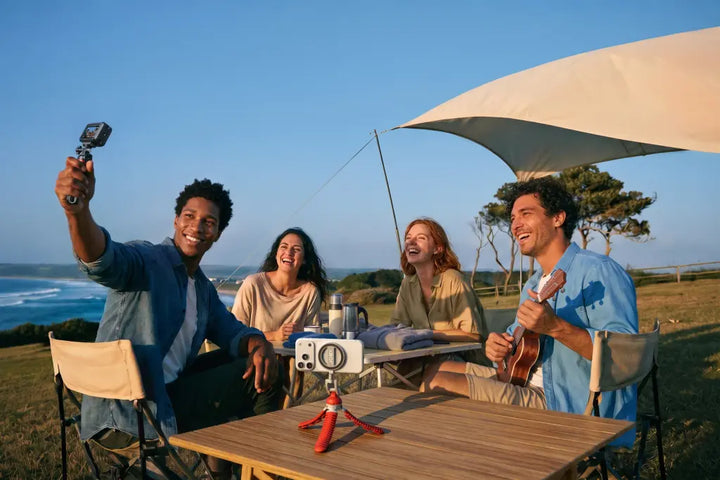
Magnetic mounting can make setup faster. A compatible iPhone, for example, can attach without opening a clamp each time. A MagSafe pocket tripod can be especially convenient for users who already rely on magnetic phone accessories.
A magnetic system still needs to match your phone and case. If your device does not support magnetic mounting, an adapter ring or a physical clamp may be needed.
Check Camera Compatibility
If you may use a camera as well as a phone, look for a standard 1/4"-20 thread and check the tripod's load capacity. A pocket tripod phone stand can be enough for casual phone videos, but a camera user may need a stronger mounting system. The difference matters if you plan to switch between a phone, action camera, and compact camera.
Look for Fast Setup and Easy Adjustments
Daily carry gear should not take several steps to prepare. A tripod that opens quickly and adjusts easily is more likely to get used during short, unplanned shooting sessions.
Quick Deployment Matters
Look for simple folding mechanisms and a mounting system that does not slow you down. The fewer parts you need to adjust, the easier it is to move from carrying the tripod to recording. This matters during travel, group photos, short videos, and video calls. You may have only a few seconds to set up the camera position you want.
Make Sure You Can Frame the Shot
Check if the tripod supports the positions you use most. Useful features can include:
- Horizontal and vertical shooting
- Tilt adjustment
- Rotation
- Secure angle locking
A good everyday tripod should make it easy to change the composition without rebuilding the entire setup.
Consider Where You Actually Shoot

Your usual shooting locations should shape your tripod choice. A design that works well on a desk may not offer the same flexibility on a trail, in a car, or at a crowded outdoor location.
Flat Surfaces
A compact tabletop tripod can work well for:
- Desk videos
- Video calls
- Cooking videos
- Product shots
- Travel photos
For these situations, a simple mini pocket tripod may provide enough support without extra features.
Uneven or Unusual Surfaces
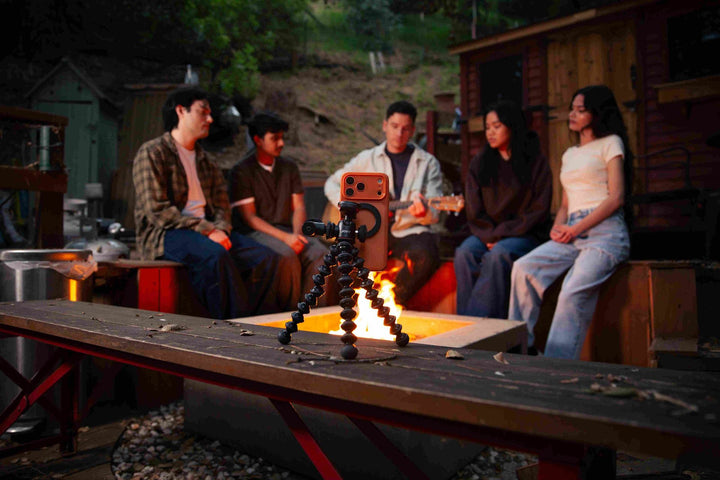
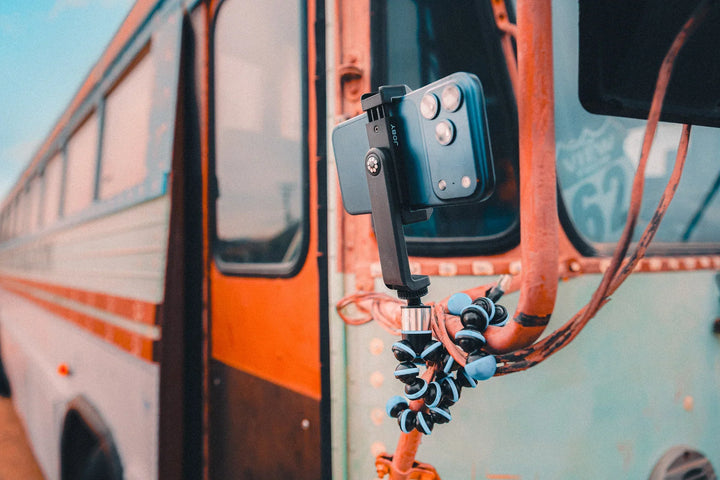
A small flexible tripod can give you more options when a flat surface is hard to find. Flexible legs can wrap around suitable objects or adjust to less predictable positions.
For example, JOBY PodZilla® Octo combines flexible legs with suction cup tips and a magnetic phone mount. Its legs can stand, wrap, or grip suitable surfaces, while the suction cups are designed for smooth surfaces. It weighs 146 grams and has a safe load capacity of 500 grams.
Smooth Surfaces
Suction mounting can be useful on suitable smooth surfaces such as glass or other clean, non-porous areas. Always check the surface and mounting instructions first, especially if your phone or camera could fall if the grip fails.
Magnetic mounting can also offer fast placement, but the phone, case, and mount need to be compatible.
Decide How Much Versatility You Really Need
Extra functions can make an everyday tripod more useful, but they can also add size and complexity. Focus on features that match the way you actually shoot.
A tripod that can also work as a handheld grip or selfie stick may replace another piece of gear in your bag. A clip or hook can help you attach the tripod to a bag, belt, railing, or other suitable location.
JOBY HandyPod™ Clip Extend combines a tabletop tripod, selfie stick, and ledge mount in a 106-gram design. It has a 1/4" thread, 360° ball head, cold shoe, and built-in carabiner for attaching it to a bag or belt. Its 1 kg safe load capacity also gives compact camera users more flexibility than a phone-only support.
Match the Tripod to Your Shooting Style
Different shooting habits call for different tripod designs. Thinking about your typical setup can help narrow the choices much faster than comparing every specification.
For Minimal Everyday Carry
Prioritize:
- Very small folded dimensions
- Low weight
- Fast phone mounting
- Simple setup
A pocket or folding design can make sense if you mainly shoot on tables, desks, benches, or other flat surfaces.
For Phone Creators
Look for:
- Quick phone mounting
- Magnetic compatibility if useful
- Easy angle adjustment
- Hands-free shooting
- Accessory support
An iPhone pocket tripod, for example, can be convenient for users who regularly record short videos, take self-timer photos, or join video calls from different locations.
For Outdoor and Travel Shooting
Prioritize:
- Flexible positioning
- Secure contact with suitable surfaces
- Low carrying weight
- Multiple mounting options
A flexible design can be useful when there is no convenient table or level surface nearby.
For Hybrid Phone and Camera Users
Look for:
- 1/4"-20 thread
- Suitable load capacity
- Stronger construction
- Adjustable head
- Multiple shooting modes
This group may benefit from carrying a slightly larger tripod if it supports both a phone and camera setup.
Choose the Smallest Tripod That Meets Your Real Needs
At this point, the choice comes down to how the different features fit together. The best size is not necessarily the smallest size available.
Think about your normal routine first. If you mostly use your phone on a desk, a compact folding tripod may be enough. If you move between indoor and outdoor locations, flexible legs or multiple mounting options may be more useful.
The goal is simple: choose the smallest tripod that still gives you the support and flexibility you actually need.
Choose an Everyday Carry Tripod That Fits Your Routine
An everyday carry tripod earns its place by making shooting easier without adding much to your bag. Size and weight help you carry it, while stability, mounting options, and fast setup determine how useful it becomes.
Think about where you shoot, what device you use, and how often you need different angles or mounting positions. The right choice is the tripod that fits naturally into your routine, so you have useful support ready when you need it.
FAQs
Q1: What Is an Everyday Carry Tripod?
An everyday carry tripod is a compact, lightweight tripod designed to stay with you during normal daily activities. It can provide hands-free support for phones, cameras, video calls, photos, and short videos without the size of a full-size tripod.
Q2: What Should I Look for in a Pocket Tripod?
Focus on folded size, weight, stability, mounting compatibility, and setup speed. Check the safe load capacity if you plan to use a camera or accessories.
Q3: Is a Flexible Tripod Good for Everyday Carry?
A flexible tripod can be useful for travel and outdoor shooting because its legs can adapt to suitable uneven surfaces or wrap around objects. It can give you more placement options than a basic tabletop tripod.
Q4: Is a MagSafe Tripod Better for Everyday Use?
MagSafe mounting can make phone setup faster for compatible iPhones and cases. It is useful if quick attachment matters to you, but check compatibility and consider a clamp or adapter if you use different devices.